
 Clara P.
South Korea destinations are attracting more visitors with their mix of modern cities, ancient culture, coastal charm, and island beauty. Whether planning a first visit or returning for deeper exploration, a clear travel timeline can turn overwhelming planning into a smooth, memorable experience. This guide walks through building a smart itinerary that lets visitors see the best spots, enjoy daily rhythms, and avoid rushed, stressful travel days. Practical planning tips, destination highlights, and sample day‑by‑day timelines are all included so readers can create a trip that feels satisfying from start to finish.
From Seoul’s royal palaces to Busan’s seaside markets and Jeju Island’s volcanic landscapes, South Korea offers contrasts that appeal to a wide range of travel interests. By planning your travel time carefully and organizing logistics such as transportation, accommodations, and daily pacing, you can experience all the country has to offer without feeling exhausted. Most first‑time travelers begin in Seoul, then build their route to include coastal cities, historical regions, and island retreats, tailoring the trip to their own travel style and time frame.
Planning Your South Korea Trip Timeline
A travel timeline is a daily plan that outlines what to see and do, how to get from place to place, and how long to stay in each location. Creating one helps avoid packing too many days or missing key spots entirely. Good planning considers the arrival and departure cities, the best transportation options, and how much time will be spent in transit versus exploring.
Start by choosing must‑see destinations based on interests. For many, that includes Seoul’s historical sites, Busan’s beaches, Gyeongju’s heritage temples, and Jeju Island’s dramatic volcanic scenery. Next, decide on the total number of days and then break down how many nights to spend in each place. Don’t forget to include buffer time for rest, weather changes, or spontaneous discoveries.
Daily planning should also account for the transport order and booking sequence. It’s easier to book long‑distance transport like trains or flights early. For example, book KTX high‑speed train tickets between Seoul and Busan well in advance to secure the best seats and prices, then plan local transit once key bookings are secured.
Choosing Your Main Regions
South Korea offers diverse regions that suit a wide range of travel styles. The most common loop starts in Seoul, heads south, and ends with island time in Jeju. This flow keeps travel efficient and avoids backtracking.
Seoul: A vibrant capital with centuries‑old palaces, modern museums, neighborhood markets, and trendy districts. It gives new visitors a rich cultural and urban overview to kick off a trip.
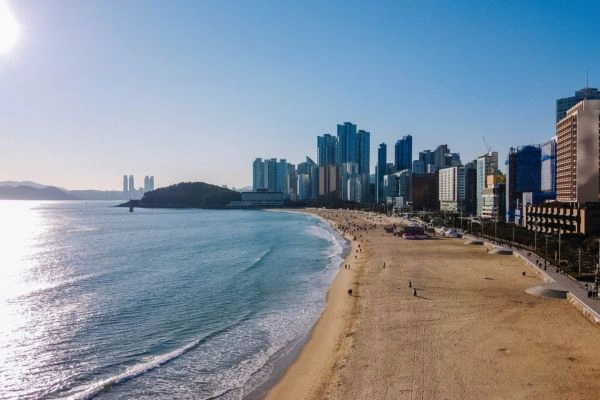
Busan: A vibrant coastal city with sandy beaches, bustling seafood markets like Jagalchi, and colorful artistic neighborhoods such as Gamcheon Culture Village. It gives Seoul’s urban intensity a contrasting seaside feel.
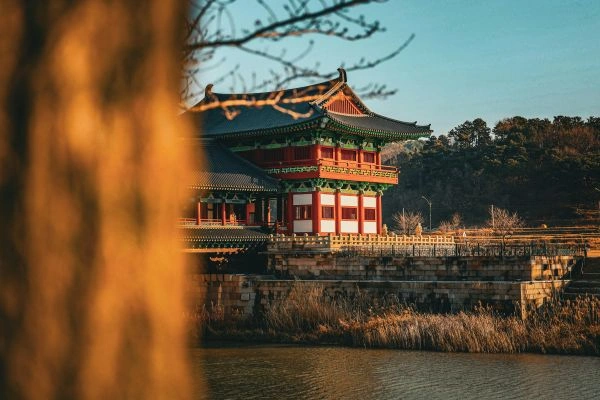
Gyeongju: Often called an outdoor museum, this historic city showcases ancient Korea through temple sites and burial mounds, making it a great cultural stop.
Jeju Island: A volcanic island that wraps up a trip with scenic hikes, waterfalls, beaches, and a slower pace, very different from the mainland.
South Korea Trip Itinerary Examples
Below are example travel timelines that match different trip lengths. Each is structured to keep days balanced and enjoyable.
3‑Day South Korea Quick Highlights
A short trip focuses on Seoul’s best with a taste of local culture, food, and iconic landmarks.
Day 1: Seoul Arrival
Start with arrival at Incheon International Airport. Take public transit or a train to central Seoul, check in, and ease into the city with a visit to Myeongdong’s night markets and street food. Explore nearby neighborhoods to feel the city’s energy.
Day 2: Historic Seoul
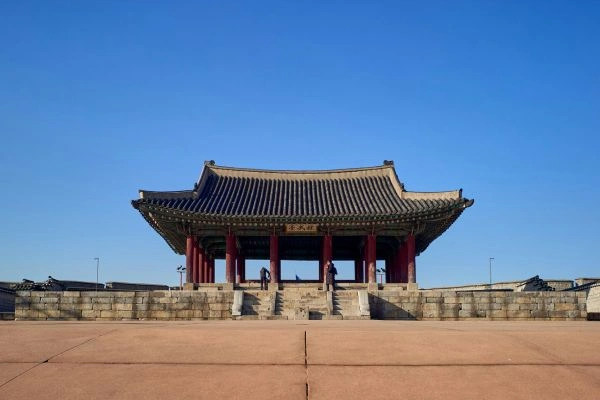
Visit Gyeongbokgung Palace for morning photos and historical insight. Visit Bukchon Hanok Village to explore beautifully preserved traditional Korean houses. Spend the afternoon in Insadong, grab some street snacks, and choose a rooftop bar with a view in the evening.
Day 3: Modern Seoul And Departure
Explore modern highlights like COEX Starfield Library or head up to N Seoul Tower for panoramic views. Enjoy a final lunch in Hongdae before heading to the airport.
This short itinerary focuses on local attractions and minimizes long travel times, making it perfect for a long weekend or a quick city getaway.
7‑Day South Korea Classic Loop
A fuller trip includes time in Seoul and Busan, with an optional side trip to the historic city of Gyeongju.
Days 1–3: Seoul Experience
Spend three days in Seoul exploring palaces, markets, and neighborhoods. Use local transit cards to move easily and schedule a day trip to nearby DMZ attractions or small towns.
Days 4–5: Gyeongju Cultural Stop
Take the train to Gyeongju. Explore historic temples, burial mounds in Tumuli Park, and museums. Enjoy traditional meals in town and walk quiet paths to absorb the city’s slower pace.
Days 6–7: Busan Beaches And City Views
Move on to Busan by train. Enjoy Haeundae Beach’s relaxed vibe and seafood at Jagalchi Market. Visit Gamcheon Culture Village’s colorful lanes and finish with sunset views at Gwangalli Beach.
This itinerary balances city and slower cultural experiences, giving a well‑rounded feel.
10‑Day Deep Dive Into South Korea
Adding more days allows for time to visit Jeju Island or to explore inland culture and coastal scenery in greater depth.
Days 1–4: Seoul And Surrounds
The first four days are for getting to know Seoul deeply, including neighborhoods, food tours, and optional museum days.
Days 5–7: Jeju Island
Fly to Jeju from Seoul or Busan. Spend three days exploring volcanic landscapes like Seongsan Ilchulbong (Sunrise Peak), lava tubes, and coastal cliffs. Make time for waterfalls and a slower pace.
Days 8–10: Busan Wrap‑Up
Finish in Busan for its overlapping mountain and sea scenery. Enjoy seafood, day hikes, and the laid‑back nightlife before heading home.
Transport Tips And Booking Order
Smart booking helps streamline travel. Here are practical recommendations based on current travel infrastructure:
- Train Travel: Korea’s KTX high‑speed train connects Seoul, Busan, and other major cities. Booking in advance helps secure your preferred times and can often save money.
- Domestic Flights: For Jeju Island, domestic flights from Seoul or Busan are common and punctual. Book flights after securing main train segments.
- Local Transit: Get a recharge‑ready transit card (like T‑Money) at arrival points for buses, subways, and some taxis. Download local map and translation apps before arrival, as they work better than global alternatives in Korea.
Keep travel light on the first day to adjust to local time and logistics. Spread major train or flight bookings across days, with the rest following long travel, so energy remains high.
Must‑See Spots In South Korea Destinations
This section highlights go‑to spots that fit well into any daily timeline.
Seoul Highlights
Seoul blends modern and historical. Important places include:
- Gyeongbokgung Palace for royal history.
- Bukchon Hanok Village for traditional architecture.
- Insadong and Myeongdong for culture and food.
- N Seoul Tower for views over the Han River.
Local markets and street stalls also offer tastes of Korean life and cuisine.
Busan Sights
Busan brings coastal charm with:
- Haeundae Beach for seaside leisure.
- Gamcheon Culture Village for colorful art‑filled neighborhoods.
- Jagalchi Fish Market for fresh seafood meals.
The city’s mix of laid‑back energy and scenic peaks makes it a strong partner to Seoul in multi‑city itineraries.
Gyeongju History
Visit historic temple sites and UNESCO‑linked places to see Korea’s ancient roots. Centuries‑old tombs and serene landscapes give rest and reflection between city stops.
Jeju Island Nature
Jeju’s landscapes include volcanic cones, lava tubes, waterfalls, and beaches. Explore natural parks, take coastal walks, and enjoy island‑only flavors and produce.
What To Pack And Practical Travel Tips
Smart packing and local knowledge improve daily travel. Seasonal weather can vary, so check temperatures ahead of time. Comfortable shoes are essential for walking in cities and nature alike. Include a portable charger, local SIM or eSIM, and copies of travel documents. Always have a backup plan for rainy days in Jeju or Seoul markets.
Smart Travel Checklist
Use this checklist to organize the trip before departure:
- Confirm flights and international travel documents.
- Pre‑book KTX and domestic flights.
- Reserve accommodations for each city.
- Get T‑Money transit cards upon arrival.
- Download Naver Maps and translation apps.
- Gather currency and a local SIM or eSIM.
Frequently Asked Questions
- How Many Days Do Most Travelers Spend In South Korea?
Most visitors plan 7 to 10 days to comfortably cover Seoul, Busan, and Jeju, with options to adjust for more or fewer days.
- What Order Should A South Korea Trip Follow?
A common route is to go to Seoul first, then head south to Busan and finish in Jeju, keeping travel efficient and easy to manage by train and flight.
- Is It Better To Book Transport In Advance?
Yes. Booking rail and flight segments early ensures preferred times and can avoid sold-out seats, especially in peak seasons.
- What Are The Essential Apps For Korean Travel?
Naver Maps for navigation and Kakao or Papago for translation are more reliable than some global alternatives.
- Can South Korea Be Done On A Budget?
Yes. Using public transport, street food, and guesthouse accommodation makes it possible to explore major destinations without high costs.
Planning a Seamless South Korea Adventure
A carefully planned travel timeline for South Korea destinations ensures that every day of the trip is productive, enjoyable, and stress-free. By organizing activities, transport, and accommodations in advance, travelers can balance busy city exploration with quieter cultural and natural experiences. This approach allows visitors to fully experience Seoul, Busan, Gyeongju, and Jeju Island without feeling rushed, while also leaving room for spontaneous discoveries and relaxation.
Focusing on practical planning steps, such as booking orders, daily itineraries, and travel checklists, helps make the journey smooth and efficient. Ultimately, a well-structured plan allows travelers to concentrate on enjoying local cuisine, historic sites, and scenic landscapes, creating a memorable and enriching adventure that captures the best of South Korea.