
 Jane
Jane
Flying can be one of the most exciting parts of a trip or one of the most uncomfortable experiences, depending on where you end up sitting. Choosing the best plane seat can change everything from how quickly you board to how well you sleep, eat, and enjoy the flight. Whether you are heading on a short domestic hop or a long international journey, smart seat choices help ensure the best travel experience.
This guide brings together the very latest reviews, travel tips, industry updates, and seating advice that frequent flyers and aviation experts agree on. The goal is to make choosing your plane seat easier, more strategic, and suited to your personal travel style. The choices you make before boarding can be just as important as packing the right clothes or planning your itinerary.
How Airlines Set Seats And Why It Matters
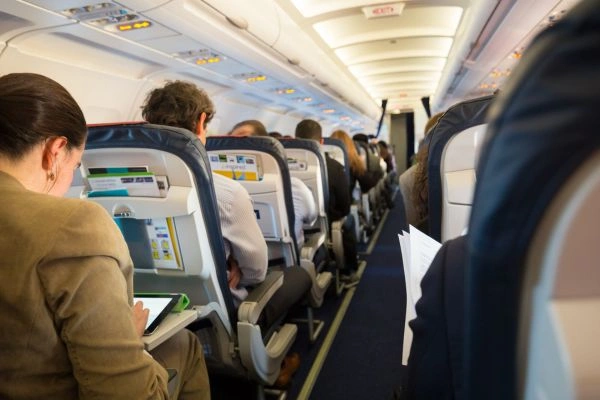
Airlines assign seats based on aircraft type, cabin layout, and fare class. Each aircraft model has a different seat map, which affects how roomy the seats feel, where the best views are, and how turbulence is felt. A popular wide‑body jet on an international route might offer spacious cabins with multiple aisles, while a narrow‑body plane on a short trip might feel snug regardless of where you sit.
Premium cabins, like business and first class, often have more defined seat layouts that include suites or pods with doors for privacy. Economy and premium economy seats vary in legroom, width, and recline.
Understanding seating differences between aircraft and cabin classes helps you choose better seats and make smart decisions when booking.
Seat Selection Tools And Resources
In the past, many flyers relied on classic online tools to find the best seats. One such site was SeatGuru, known for its colour‑coded seat maps and detailed advice. However, the original site is no longer maintained and now redirects to a different service, making it unreliable for updated aircraft layouts.
Today, several useful alternatives help travellers learn about aircraft layouts, seat pitch, and other details before booking.
Seat Map Tools
- AwardFares Seat Map Tool: Offers live seat maps with available seats and real‑time updates. These maps show which seats are taken, which have extra legroom, and which might have limited recline.
- AeroLOPA: Shows exact seat layouts and dimensions once you know your aircraft type. This can help identify hidden differences between similar flights.
- Airline Direct Seating Tools: Most airlines’ websites now have detailed seat maps available at booking and in the “manage booking” section. These maps often include photos and measurements for premium seats.
- Flight Review Sites: Travel blogs, forums, and review sites often share tips from flyers who have recently flown a specific route or aircraft. These provide real‑world insights that maps alone might not show.
Using these tools lets you check seat details before you book so that you can avoid unpleasant surprises, especially on newer aircraft or newly refurbished cabins.
General Seat Selection Strategies
Getting the best seat often comes down to timing and understanding airline systems.
Book Early For The Best Picks
Better seats are usually claimed quickly. The moment a flight opens for reservations is the best time to choose seats with extra space or better positioning. If those seats are limited or premium, booking early gives you priority.
Some airlines allow seat selection right at booking, while others let you choose seats during check‑in. Understanding your airline’s policies helps you plan ahead. In many cases, paying a small fee for seat selection when booking is cheaper than upgrading last-minute at the airport.
Check In As Soon As It Opens
If you did not pick an ideal seat when booking, online check‑in, typically 24 to 48 hours before departure, can offer new opportunities. Some airlines release additional extra‑legroom seats or send unclaimed preferred seats into general availability at this time.
Watching seat availability as check‑in opens lets you upgrade without fees or swap to a better position if it becomes free.
Consider Flight Timing
Less popular flights, such as early mornings, late nights, or midweek services, tend to be less crowded. Fewer passengers means more available seats and easier moves when checking in.
Night flights sometimes have better chances of empty seats around you, especially on long‑haul routes. On the other hand, peak flights on weekends and during holiday seasons tend to fill up fastest and limit seat options.
Join Loyalty Programs
Frequent flyer status brings perks like free or early seat selection, priority boarding, and upgrade opportunities. Even low‑tier loyalty benefits can make good seats easier to access without extra fees.
Airline alliances also help. If you belong to a frequent flyer program within a big alliance, your status might transfer benefits across partner airlines, giving you more flexibility in seat choice.
Best Plane Seats In Economy Class
Economy class varies widely between airlines and aircraft, but there are general patterns that most travellers recognize.
Aisle Seats
Aisle seats are perfect for people who like to stretch their legs, access the restrooms easily, or stand up without bothering other passengers. They also make exiting the plane faster once you land.
Aisle seats are ideal for travellers who expect to move around often or who want quick access to overhead bins. Just keep in mind that aisle seats sometimes feel narrower due to foot traffic and passing carts.
Window Seats
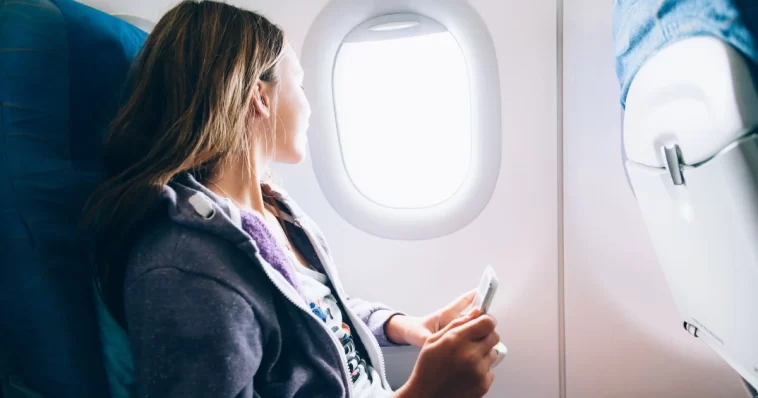
Window seats offer the best views, a wall to lean against for sleep, and fewer disturbances from seatmates. These seats are especially good for daytime flights when the views are enjoyable.
Window seats are often favoured by people who plan to sleep or watch movies for long parts of the journey.
Extra Legroom Rows
Seats in exit rows and bulkheads often offer more legroom. They are great for taller passengers or long flights. Keep in mind that bulkhead seats may lack under‑seat storage, and exit row seats may have specific requirements or responsibilities.
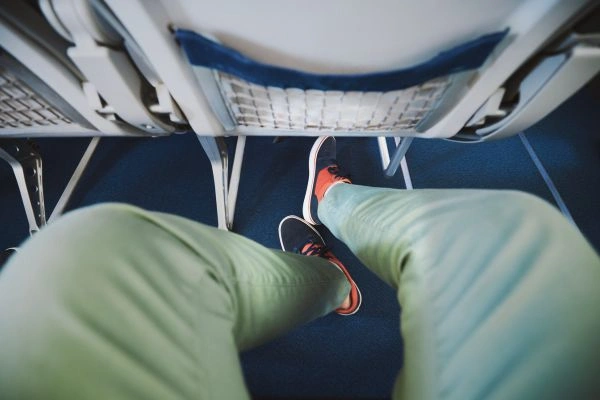
Some exit rows also have fixed armrests or trays built into the arm for safety, which can reduce width. Always check the fine print on seat maps.
Mid‑Cabin Positioning
Seats toward the middle of the plane, near the wings, usually feel the smoothest ride through turbulence. This can make flights more comfortable for nervous flyers.
Seats over the wings are also closer to the centre of gravity, which often reduces motion during bumps in the air.
Avoid The Last Rows
Seats at the very back of the plane tend to have less recline and can feel louder due to engine noise. However, they might be worth a trade‑off for couples who want to sit together or travellers hoping for an empty adjacent seat.
These seats are often last to be chosen, so if comfort is your priority, avoid them unless you have no other option.
Selecting Seats In Premium Economy
Premium economy fills the gap between regular economy and business class. These seats often offer more legroom and recline, larger screens, and additional perks like priority boarding.
When selecting a premium economy seat:
- Choose seats toward the front of the cabin for faster service and quicker exit.
- Avoid being right in front of lavatories or near galleys, where activity and noise are higher.
- Bulkhead seats can offer extra leg extension, though foot space under the seat ahead may be limited.
Premium economy is worth the upgrade for long flights and travellers who want more comfort without the price of business class. Some airlines equip these seats with better cushioning and dedicated service, making them a practical middle ground for long journeys.
Choosing Seats In Business And First Class
Business and first class seats are usually more forgiving when it comes to choice, because almost all seats provide a high level of comfort compared to economy. But even here, some tips can make a difference.
Look For Direct Aisle Access
Many newer business class cabins feature seats arranged so each passenger has direct aisle access. This layout is ideal for privacy and movement, especially on long overnight flights.
Direct aisle access means fewer interruptions when you or others need to move around, which leads to a more restful experience.
Privacy And Window Options
Window seats in premium cabins sometimes have better privacy and views. Couples often prefer middle “honeymoon” seats when they want to sit together without impeding each other’s aisle access.
Privacy pods and staggered layouts are becoming more common, giving travellers more personal space and a quiet environment for work or rest.
Recline And Bed Comfort
Some business class seats convert to lie‑flat beds while others recline at an angle. The longest flights deserve fully lie‑flat seats to get rest or work with fewer interruptions.
First class suites often feature doors, large flat beds, and even dedicated storage. These are ideal options when comfort is the top priority, especially for ultra‑long hauls.
Front‑Of‑Cabin Seats
Even in first class, seats toward the front can be quieter and offer quicker service. They also mean a faster exit once the plane lands.
Front seats help reduce noise from galley areas and passenger traffic, creating a calmer travel experience.
Airline Policies That Affect Seat Selection
Seat selection policies vary widely by airline, fare type, and loyalty status. Understanding these policies saves frustration and unexpected fees.
Assigned Seating Changes On Legacy Carriers
Even carriers known for specific boarding models are changing how they assign seats. For example, some airlines that used open seating in the past now require assigned seating, giving passengers more control during booking.
This move means more passengers can choose seats with extra legroom or specific positions ahead of time, but it also introduces new fare tiers that determine seat access based on the ticket purchased.
Fees And Fare Types
Many budget carriers and even some major airlines charge fees for choosing specific seats, especially for extra legroom or preferred zones. It is worth weighing whether the benefits are worth the cost, especially on long flights.
Always check what is included in your fare. Sometimes paying a little more upfront for a seat with more space saves money and stress later.
Group Bookings
Travelling with family or a group often complicates seat selection. Some airlines hold seats together only if booked early, and splitting up can happen if the flight fills up.
Booking as early as possible and checking in together helps keep groups close. Frequent flyer programs may also offer group seating benefits.
Practical Seat Selection Tips
Study The Aircraft Type
Always verify the aircraft model listed for your flight. Sometimes airlines substitute aircraft at the last minute, which can change seat layouts, legroom, or spacing. Tools that show aircraft specifics help avoid surprises.
Knowing the exact aircraft helps you prepare for amenities available on board, such as Wi‑Fi, larger entertainment screens, or power outlets.
Consider Personal Needs
Travellers with mobility issues, fear of turbulence, or the need for quiet time should plan seat choice accordingly:
- Less Noise: Window seats over the wing for calmer air movement.
- Ease Of Access: Aisle seats for frequent movement.
- Support For Sleep: Seats with recline or near less‑active areas of the cabin.
Choosing a seat that fits personal needs helps make the journey more pleasant, regardless of flight duration.
Be Flexible During Check‑In
Even if you picked a seat during booking, keep checking your flight in the days before departure. Airlines sometimes release better seats, or aircraft changes can open up more desirable options, particularly at check‑in time.
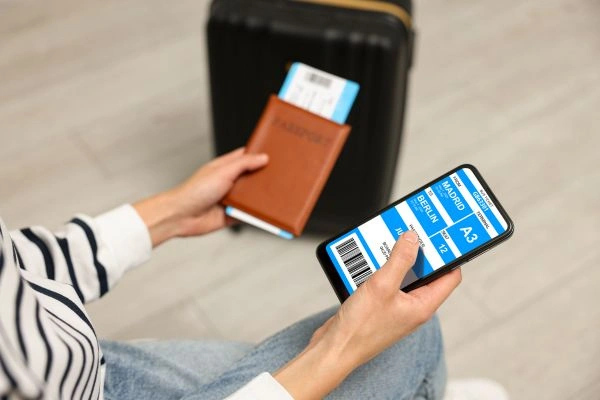
Being flexible and proactive often pays off, especially if you are willing to swap seats for improvements.
Examples Of Recommended Seats And Products
Choosing a seat is only half of improving your flight comfort. A few thoughtful accessories help enhance even “not perfect” spots.
Travel Accessories That Improve Seat Comfort
Memory Foam Travel Pillow
A memory foam pillow with a wraparound design helps support neck and head comfort on long flights. Good examples include the Travelrest Ultimate and Cabeau Evolution pillows, both praised in travel gear reviews for reducing neck strain.
Inflatable Footrest
Inflatable footrests give additional support for longer legs or restless knees. They help elevate feet and improve circulation, especially on long international flights.
Noise‑Canceling Headphones
Over‑ear noise‑canceling headphones block cabin noise and make entertainment or rest more peaceful. Brands like Sony WH‑1000XM5 and Bose QuietComfort series are consistently rated among the best by frequent flyers.
Seat‑Back Organizer
A seat‑back organizer keeps travel essentials at hand and avoids reaching into bags under seats during a flight. These organizers help keep tablets, snacks, chargers, and books within easy reach.
Compression Socks
These socks improve blood flow during long flights and reduce fatigue, especially for passengers in window or middle seats.
Each of these products makes even economy seats feel more comfortable, especially on long flights.
Strategic Seat Choices for Stress-Free Travel
Choosing the right seat on a plane is less random and more strategic than many people realize. It involves understanding airline policies, knowing how seat maps work, and taking advantage of tools and timing to your benefit. Early booking and smart use of check‑in windows often yield the best results, while airline loyalty programs and seat maps ensure choices align with personal needs.
Smart seat selection doesn’t require paying top dollar. With good planning, research, and a few helpful accessories, even long flights can be comfortable, productive, and enjoyable. Thoughtful seating choices help you arrive at your destination feeling rested and ready to explore.